
You know that feeling when you’ve been using the same old hairbrush for years and your hairstyle just isn’t working anymore? Maybe it’s time for an upgrade.
Finding the perfect brush for your hair type can be life-changing. The right brush can turn your usual frazzled mane into a sleek and stylish ‘do or add tons of volume and shape to otherwise limp locks. But with so many options out there boasting newfangled bristles and fancy handles, how do you choose? Don’t worry, we’ve got you covered. In this article we’ll walk you through how to find a brush that’s tailored to your unique hair needs and goals so you can get the stylish and manageable hair you’ve always wanted. Ready to change your life one stroke at a time? Let’s get brushing!
Determining Your Hair Type: Straight, Wavy, Curly, or Coily
Determining Your Hair Type: Straight, Wavy, Curly, or Coily
To choose the right brush, you first need to figure out what kind of hair you have. Is your hair straight, wavy, curly, or coily? Straight hair has little to no bend or curve, while wavy hair has loose, flowing bends. Curly hair forms ringlets and spirals, and coily hair has tight curls that spring up close to the scalp. Read this post to determine your hair type.
Knowing your hair type helps determine factors like bristle type, size, and spacing that will work best for your unique locks. For example, wider tooth combs and boar bristle brushes tend to work well for curly and coily hair, while finer tooth combs may cause excess frizz and damage. Paddle brushes and vented brushes, on the other hand, are great for detangling and smoothing straight or wavy hair.
There are many descriptive terms for different hair types and textures, so think about characteristics like how much your hair tends to bend, how tightly it curls, how voluminous or dense it is, and its thickness or coarseness. You can also consider how your hair behaves in different weather – does it get frizzier in humidity or loosen up in the rain? These clues will help guide you to the perfect brush for your mane.
With the right brush in hand tailored to your hair’s specific qualities, you’ll be well on your way to healthier, shinier, and more manageable hair. Finding your match may take some trial and error, but when you discover that perfect brush, you’ll know it.
Brush Materials: Boar Bristle, Nylon Bristle, Mixed Bristles
When it comes to brush materials, you’ve got options. The bristles you choose depend on your hair type and needs.
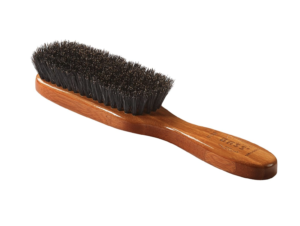
Boar Bristle
If you have normal to fine hair, boar bristle is a great choice. The natural bristles are gentle and distribute your hair’s natural oils from roots to ends, leaving hair shiny and smooth without static.
Nylon Bristle
For most hair types, nylon bristles work well. Nylon is durable and flexible, and brushes with nylon bristles detangle hair efficiently while stimulating the scalp. However, nylon can create static in very fine or dry hair. Look for brushes labeled “anti-static” or “ionic” to minimize flyaways.

Mixed Bristles
A brush with a mix of boar bristles and nylon bristles offers the benefits of both. The boar bristles distribute oils and reduce static while the nylon bristles detangle and stimulate. Mixed bristle brushes suit all hair types and most styling needs.
In the end, the brush you choose depends on your hair’s thickness, texture, and needs. Try out different bristles and see which leaves your hair feeling and looking its best. With the right brush, you’ll get the smooth, shiny, static-free hair of your dreams.

Brush Shapes: Paddle, Round, Vent
When it comes to brushes, the shape and type you choose depends entirely on your hair type and needs. The three most common shapes are paddle, round, and vented.
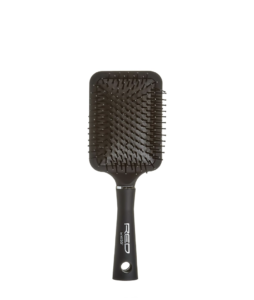
Paddle Brush
If you have long, thick or wavy hair, a paddle brush is a great choice. This brush has a wide, flat base with flexible bristles to help detangle hair without pulling. It’s ideal for smoothing hair and achieving a sleek, frizz-free style. The broad surface area means fewer strokes are needed to brush all your hair. Look for a paddle brush with nylon bristles and a cushioned base.
Round Brush
For adding volume at the roots or styling loose curls, you can’t beat a round brush. These brushes come in a variety of sizes based on the diameter. A smaller round brush, around 1 to 2 inches, is good for styling fringes or touch-ups. Larger round brushes, 3 inches or bigger, are ideal for blowouts to create loose waves and lots of lift at the crown. Round brushes can have boar bristles, nylon bristles or mix bristles with barrel-shaped base.

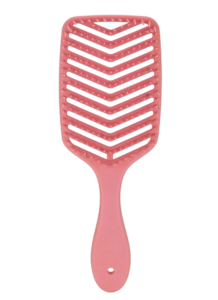
Vented Brush
If your hair is fine or thinning, a vented brush is a great option. These brushes have holes or slits in the bristle area that allow for better airflow as you brush. The enhanced ventilation helps minimize pulling and damage to hair. Vented brushes, especially those with natural bristles like boar bristles, are very gentle. They are suitable for detangling, smoothing and adding shine to most hair types. For fine hair, a vented brush with synthetic bristles may be even gentler.
In the end, you may need to experiment with different brushes to find the ideal one for your hair. But using the right brush for your hair type and needs will make all the difference in achieving your best hairstyle.
Best Brushes for Different Hair Types
When it comes to finding the right brush for your hair, there are several factors to consider based on your unique hair type and needs.
For fine or thin hair
If you have fine or thin hair, look for a brush designed specifically for your hair type. Soft bristles are best, as stiff bristles can cause breakage. A paddle brush or wide tooth comb will gently detangle without pulling hair. Brushes labeled “for fine hair” or “detangling” are good options. Avoid round brushes, as they can cause stress on the hair shaft.
For thick or curly hair
If you have naturally thick or curly hair, a brush that won’t cause frizz is key. Look for a brush with natural boar bristles, which help distribute the hair’s natural oils and won’t disrupt the curl pattern. A detangling brush, wide tooth comb or paddle brush can gently loosen knots without pulling. For tighter curls, start at the ends and work upward. Round brushes should also be avoided with thick or curly hair.
For normal or combination hair
For hair that’s relatively normal or a combination of hair types, a basic paddle brush or detangling brush will suit most needs. Bristle type comes down to personal preference, though natural or nylon bristles are gentle options. A medium sized round brush is also useful for adding volume or loose waves. Look for a brush that is designed for all hair types or normal hair.
In the end, the best way to find your perfect brush is through trial and error. Test different brushes to find what works with your unique hair type and needs. Pay attention to how your hair responds and looks to determine if a brush is right for you. With some experimentation, you’ll find the ideal brush for your lovely locks.
Proper Brushing Techniques for Each Hair Type
Your hair type determines the proper brushing technique. Using the wrong technique can lead to damage, breakage, and an unappealing style.
Fine or Thin Hair
If you have fine or thin hair, use a gentle brushing motion. Aggressive brushing can cause damage and hair loss. Use a boar bristle brush or wide-tooth comb and brush in short, light strokes. Start at the ends and work upwards using a leave-in conditioner to avoid snagging. Limit brushing to 2-3 times a week.
Thick or Coarse Hair
For thick or coarse hair, use a paddle brush and detangling spray. Detangle in sections, starting from the ends. Apply tension with one hand while brushing with the other. Use heavier brushes, like a boar bristle paddle brush, to smooth hair and distribute oils. Brush 3-4 times a week to prevent matting and distribute oils without causing frizz.
Curly Hair
Curly hair requires special care. Use a wide-tooth comb and detangling product on damp hair. Start at the ends and work upwards, using a leave-in conditioner. Limit brushing to 1-2 times a week. On non-wash days, use a boar bristle brush to distribute oils and refresh curls. Apply product to damp hair and scrunch with hands to encourage curl formation. Air drying or diffusing is best. Avoid brushing dry hair which can cause frizz.
Color-Treated Hair
For color-treated hair, use a gentle brush and color-protecting products. Limit brushing to 2-3 times a week to avoid color fade. Use a boar bristle brush and start at the ends, working upwards. Apply a leave-in conditioner to hydrate hair and protect color. Use color- protecting shampoo and conditioner and limit heat styling which can cause damage. Regular trims every 6-8 weeks will remove split ends and prevent breakage.
Also Check This: How to Properly Clean your Hair Brush